Apple Tree Fire Blight in Ontario

What You Can Do — and When to Call an Expert
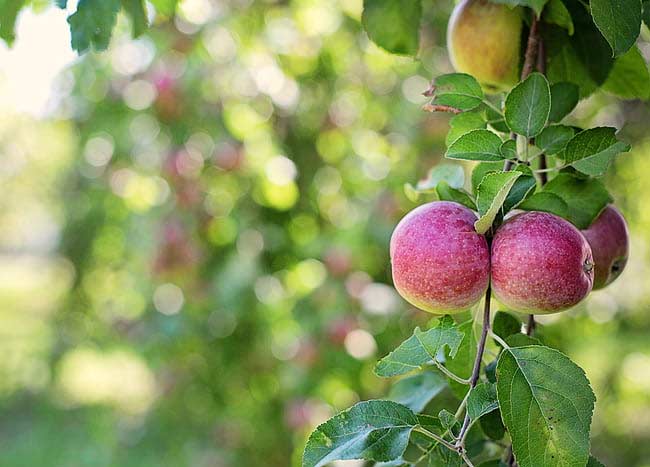
Apple tree Fire Blight Ontario

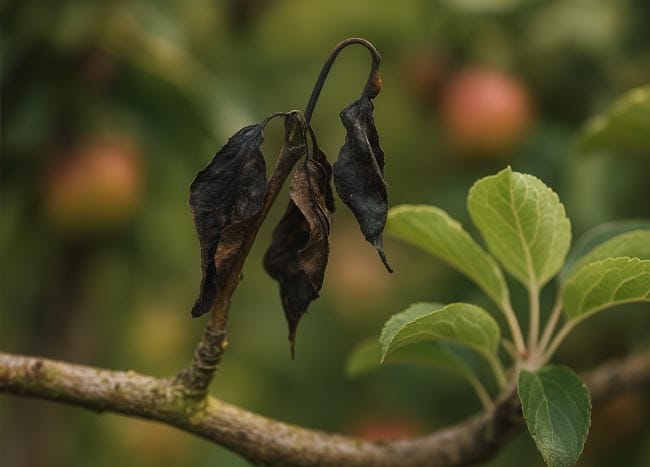
Blackened shoots. Curled leaves. A branch that looked fine last week now drooping like it’s been scorched.

If you’ve noticed these signs on your apple tree this spring, especially after a stretch of warm, wet weather, you’re not alone, and you may be dealing with fire blight.

This bacterial disease is surprisingly aggressive, especially in Ontario’s cottage regions where fruit trees are often older, closely planted, and sometimes overlooked until symptoms appear. But what exactly is fire blight? How worried should you be? And can anything be done to save the tree?
What Is Fire Blight?

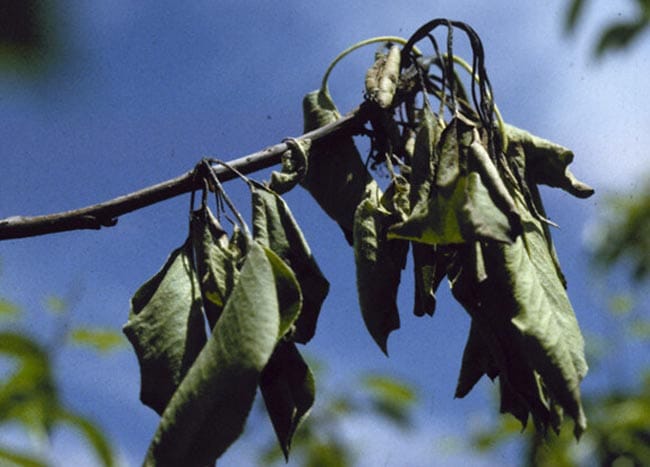
Apple Tree Fire Blight leaves

Fire blight is a contagious bacterial disease (Erwinia amylovora) that affects many members of the rose family, most notably apple, crabapple, pear, hawthorn, and quince trees. Once infected, a tree can show signs shockingly fast, with entire shoots appearing to “burn” within days.

The name comes from how the leaves and branches look after infection — wilted, blackened, and curling downward as though singed.

This isn’t just cosmetic. Left untreated, fire blight can kill branches, infect the trunk, and ultimately destroy the tree.

How Does Fire Blight Spread?

Apple Tree Fire blight how does it dpread?

Fire blight thrives in warm, humid conditions, particularly in the spring. It spreads via:

Rain splash

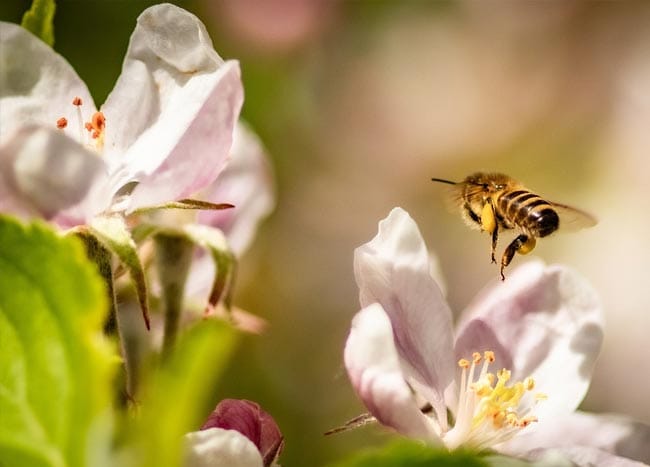
Pollinating insects

Dirty pruning tools

Wind during blossom time

Blossoms are often the first point of entry. The bacteria can then move down into the shoots and branches, where they form cankers that overwinter and re-emerge the following year.

Once the infection is active, it can spread tree-to-tree, especially in older orchards or closely planted properties — common scenarios in Ontario cottage country.

What Are the Symptoms of Fire Blight?

Apple tree fire blight. what does it look. like

Watch for these telltale signs

  • Blossom wilt: Flowers turn brown, collapse, and cling to the twig
  • “Shepherd’s crook” shoot tips: Twigs curl downward in a hook shape
  • Blackened leaves and stems: As though scorched
  • Cankers on branches or trunks: Slightly sunken, sometimes oozing
  • Sudden dieback of shoots in spring or early summer

Can You Treat Fire Blight Yourself?

Sometimes. Early-stage infections on blossoms or individual shoots can be managed if caught fast and handled carefully.

Treating Apple Tree Fire Blight

For Mild or Localised Cases:

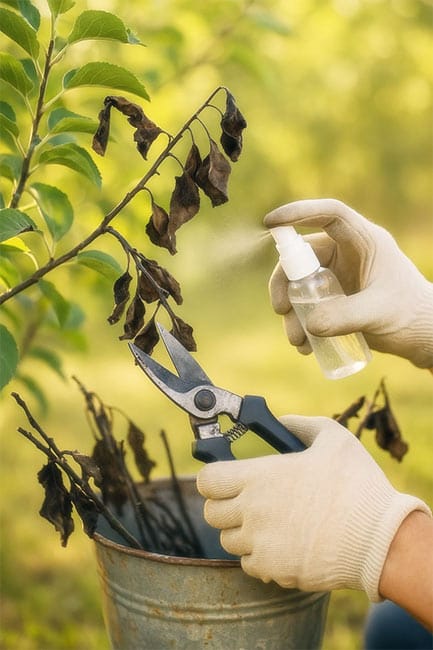
  • Prune infected shoots at least 8–12 inches below visible symptoms
  • Sterilise tools between every cut (isopropyl alcohol or bleach solution)
  • Dispose of pruned material in the garbage — don’t compost it
  • Monitor for new symptoms weekly
  • In very early blossom infections, copper-based sprays may help (used with caution and proper timing)

When NOT to DIY:

  • If cankers are forming on branches or trunks
  • If multiple areas are affected
  • If the tree is near others you care about (e.g., old pears or crabapples)
  • If it’s a mature, high-value tree
ISA Certified Arborists Muskok District Ontario

Expert Tree Care Backed by ISA Certification

Fire blight can spread faster than you expect — and unfortunately, well-meaning pruning with the wrong technique often makes things worse. That’s why our disease assessments and pruning services are carried out by ISA Certified Arborists.

ISA certification isn’t just a title. It means we’ve been formally trained in tree biology, disease response, and safe pruning practices that protect the tree and everything around it. It’s how we make informed decisions instead of guesses, especially when there’s a risk of infection spreading to other trees on your property.

If you’re unsure about the severity of the damage or are not comfortable cutting into a tree that might still be salvageable, we can help. We’ll assess the situation calmly, explain your options, and take the best course of action for the long-term health of the tree — and the safety of your home or cottage.

If you’d like a certified expert to review it before taking action, please give us a call. Sometimes, knowing for sure is the most valuable step.

How to Prevent Fire Blight

You can’t fully eliminate the risk, but you can significantly reduce it.

  • Prune during dry, cool weather (ideally late winter)
  • Avoid heavy spring fertilisation (it encourages vulnerable new shoots)
  • Space trees adequately to minimise humidity and spread
  • Inspect yearly, especially after the blossom time
  • Keep tools clean and sharp

If you’ve had fire blight before on your property, consider a seasonal tree health check, especially before peak growing season.

FAQ

Fire blight makes apple tree shoots curl into a hook shape — often called a “shepherd’s crook.” Leaves blacken as if scorched, and you may see oozing cankers on branches. The symptoms often appear suddenly after warm, wet spring weather.

Yes — if caught early and treated properly. Many apple trees recover from fire blight when infected shoots are pruned out quickly, and the disease hasn’t reached the trunk. However, repeated infections or cankers in major limbs often lead to decline or removal.

Treatment includes pruning infected branches at least 8–12 inches below the visible symptoms, sterilising tools between each cut, and disposing of infected material. In early blossom-stage infections, copper sprays may help if applied correctly. For larger or recurring cases, it’s safest to call a certified arborist.

Fire blight is caused by a bacterium called Erwinia amylovora, which spreads through rain splash, insects, wind, or contaminated pruning tools. It enters through blossoms and fresh growth, especially in spring and early summer.

Yes — if the fruit appears healthy. Fire blight doesn’t make apples unsafe to eat. However, infected trees may produce fewer or lower-quality fruit, and in some cases, bacterial ooze may affect nearby fruit visually. Always inspect before consuming.

Absolutely. Fire blight affects crabapple and pear trees just as much as apple trees, sometimes even more severely. It’s common in ornamental crabapples across Ontario, and pear trees are particularly vulnerable. Prevention and seasonal pruning are key.

Serving Toronto & Ontario’s Cottage and Rural Communities

From Bobcaygeon to Bancroft, and throughout the Kawartha Lakes and Haliburton County, our team sees cases of fire blight every year. If you’ve spotted symptoms on your apple tree — or aren’t quite sure what you’re looking at — we’re happy to have a look.

Arrange a free quotation

Sarginson's Tree Services Ontario

This contact form is deactivated because you refused to accept Google reCaptcha service which is necessary to validate any messages sent by the form.