Dying Pine Tree in Cobourg

How One Family Prevented a Hazard — and Kept a School Safe

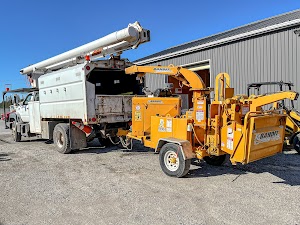
Team removing a dying pine tree in Cobourg

At first glance, the pine tree didn’t look especially unusual. It was tall. Towering. A white pine — mature, proud, and weathered by time. It stood at the back of a property in Cobourg, right against the fence line that separated the home from a nearby schoolyard. But over time, something changed.
Storm after storm, small limbs began to fall. Nothing major — at first. But the pattern became clear. Every wind event, no matter how minor, brought down more branches. Some cracked mid-limb, others sheared at old wounds. The tree wasn’t just shedding. It was a warning.
The homeowner was aware of the stakes. Children played just on the other side of the fence. The next branch might not land harmlessly in the yard.
So they called us.

A Pine in Decline

A dying Pine in Cobourg

When we arrived, it didn’t take long to confirm the concern. This was a dying pine tree — the kind that doesn’t always look dangerous from the ground, but tells a different story on inspection.

White pines are known for their height and elegance, but they’re not built for everything Ontario throws at them. Their root systems are surprisingly shallow. Their limbs — especially on older trees — become brittle with age. And when you factor in repeated storm stress, that elegant crown becomes a liability.

This tree had likely been in slow decline for years. The signs were subtle: a thinning canopy, discoloured needles, cracking bark around the mid-section. But it was the cumulative damage — the stress fractures, the old wounds, the unbalanced lean-that told us it had reached the tipping point.

Why This Tree Had to Go

Dying pine tree removal in Cobourg Ontario

It’s one thing to lose a tree in a storm. It’s another to lose it near a schoolyard.
The location of this pine made removal more than a matter of convenience — it was a matter of public safety. A branch coming down at the wrong time could have caused damage, injury, or worse. And with more limbs falling every season. The homeowner didn’t wait. They made the call before the next storm made the decision for them.

The Removal

We dismantled the tree in stages, working carefully to prevent damage to the fence or surrounding structures. The proximity to the school meant every move had to be precise. We used rigging systems to lower limbs safely and ensured that the drop zone remained secure throughout the job.
From ground level, most of the work might have looked routine. But from up high, the decay was obvious. Several branches were hollow. One had a fungal bloom hidden beneath a patch of bark. The core was compromised in multiple places.


This wasn’t just a dying tree. It was one bad gust away from being a hazard headline.

What You Might Notice First

Dangerous Pine Tree removal in Cobourg

If your pine tree starts dropping limbs for no apparent reason, or the needles begin to turn brown well before winter, it’s time to pay attention. You may notice deadwood accumulating in the crown. The top may start to die back. The bark might flake or crack along old pruning scars. And when you run your hand along a branch, it might snap with less resistance than it should. Those aren’t quirks. They’re signals.

Why It Mattered?

Dangerous Pine Tree Removal in Cobouorg Ontario

This wasn’t just about keeping one family safe. It was about responsibility. About acting before something went wrong. And about working with a local arborist who understands both the science and the stakes.

Trees add beauty and shade. But when a dying pine tree becomes unpredictable, the smartest thing you can do is listen to it — and let it go before it lets go on its own.

Example of a dead pine tree

FAQs

It often starts subtly — a few brown needles, thinning branches near the crown, or less growth than usual in spring. But as decline sets in, the signs become clearer. Needles may turn orange or fall off early. Bark might begin to peel or crack, especially around old wounds. You might notice dead limbs high up, or hear more branches falling than usual after a storm. If the top of the tree starts to die back, that’s one of the strongest signs something’s wrong. Trees don’t usually fail all at once — they show you, bit by bit, that they’re struggling.

That depends on what’s causing the browning — and how early you catch it. In some cases, a tree might be reacting to dry conditions, road salt, or even soil compaction from nearby construction. If the browning is scattered and the rest of the canopy still looks green and strong, there’s a chance it can recover. But when discolouration spreads quickly or starts at the top, it’s often a sign of deeper trouble, like root rot or internal decay. Once that sets in, it’s rarely reversible. That’s why it helps to get someone in early, before the damage becomes permanent.

Browning doesn’t always mean the tree is dead — but it does mean something’s wrong. Pines are meant to stay green year-round, so when needles change colour across large sections of the tree, it’s usually a sign of stress. Sometimes it’s environmental, like drought or soil issues. Other times, it could be more serious — decay in the trunk, root problems, or disease working from the inside out. If it’s just a few inner needles in autumn, that might be normal. But when the top of the tree turns brown, or the limbs start failing, it’s best to get it checked. By that point, it may not recover on its own.

Pine wilt is a fast-moving disease caused by a microscopic worm called the pinewood nematode. It spreads through beetles and affects the tree’s ability to move water, often leading to rapid browning from the top down. White pines in Ontario aren’t the most common hosts, but once it takes hold, there’s no cure — the tree dies quickly. If you notice sudden needle loss or the entire crown turning brown within weeks, pine wilt could be the cause. Early removal is key to protecting nearby trees.

White fungal patches on pine bark or needles are often signs of infection. They may appear as powder, fuzz, or small tufts, depending on the type. One common cause is saprophytic fungi — organisms that feed on dead tissue. While some are harmless, others could signal deeper decay or poor tree health. If you’re seeing white spots alongside browning needles or cracking bark, it’s worth having the tree inspected. The presence of fungus doesn’t always mean the tree is dying, but it typically appears without a reason.

Sarginson's Tree Services Ontario

Think You Might Have a Problem Pine Tree?

There’s a kind of relief that settles in after a risky tree comes down. The homeowner felt it. So did we. And so, we suspect, did the school board.
If you’ve got a pine that’s starting to behave differently — shedding limbs, leaning further, losing colour — now’s the time to check. It’s easier than cleaning up after the alternative

Arrange a free quotation

This contact form is deactivated because you refused to accept Google reCaptcha service which is necessary to validate any messages sent by the form.